Odour Extraction: Beyond Fans and Ventilation
Published : 06 Mar 2026
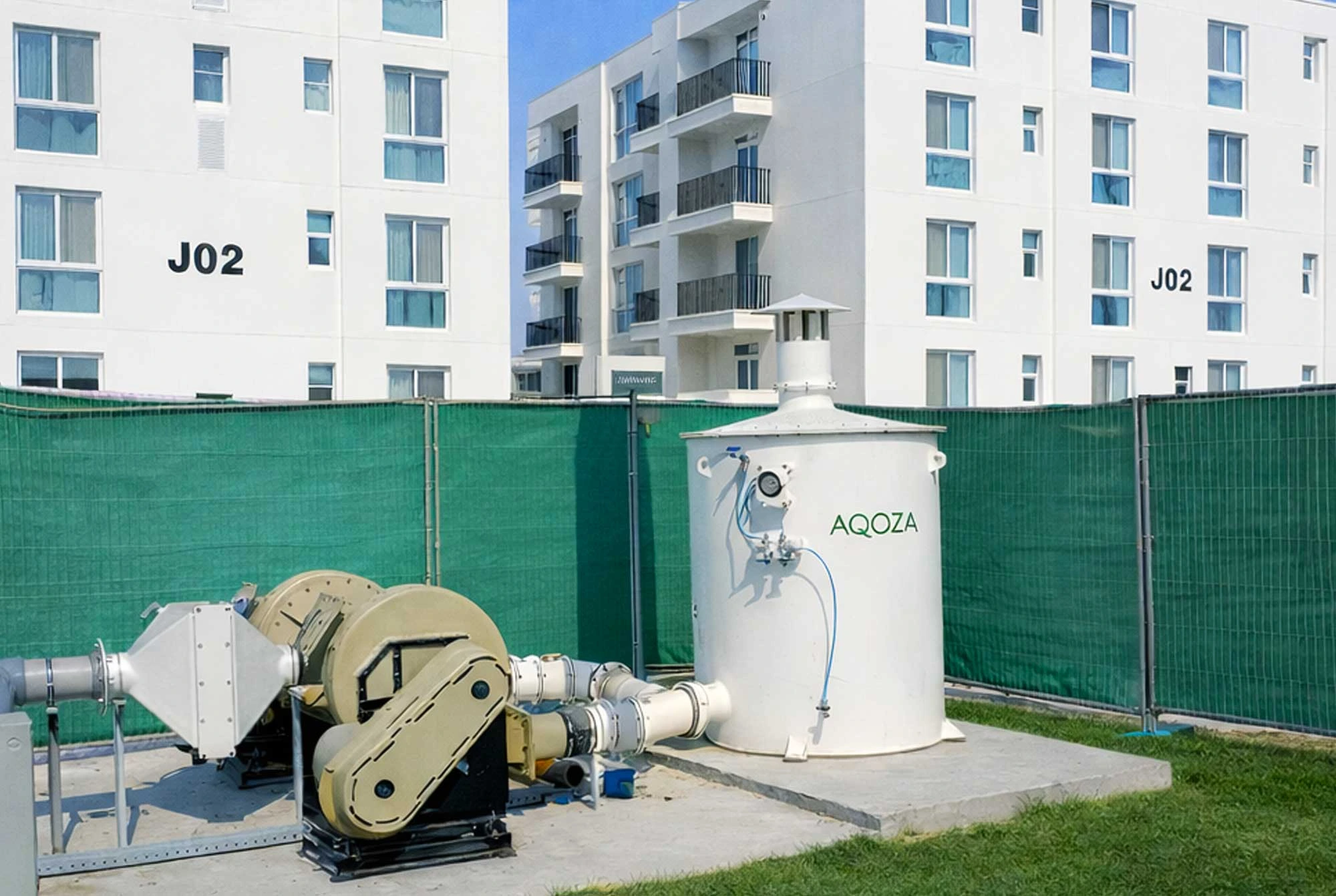
Odour control in industrial and wastewater environments demands more than air movement. It demands engineered removal.
The Ventilation Myth Exposed
For decades, facilities have relied on fans and general ventilation as a primary response to odour complaints. But these often fails when confronting complex contaminants such as hydrogen sulfide (H₂S), volatile organic compounds (VOCs), and mercaptans. These gases are not neutralised by airflow, they are merely redistributed. The result is persistent emissions, repeated community complaints, accelerated corrosion, and increased regulatory scrutiny.
“Fresh air” is not treatment. It is dilution. And dilution does not equal compliance.
Why Fans Fall Short
Ventilation systems are mechanical solutions to a chemical problem.
- Dilution without destruction: Fans disperse odorous gases but do not chemically remove them.
- No selectivity: Basic airflow ignores contaminant profiles like H₂S, ammonia, and VOCs require targeted capture mechanisms.
- Compliance gaps: Facilities that rely solely on ventilation frequently struggle to meet sustained emission thresholds, particularly as regulatory frameworks tighten.
True odour extraction requires understanding gas concentration, reaction pathways, airflow dynamics, and media performance curves. Without gas-specific engineering, odour control is just temporary.
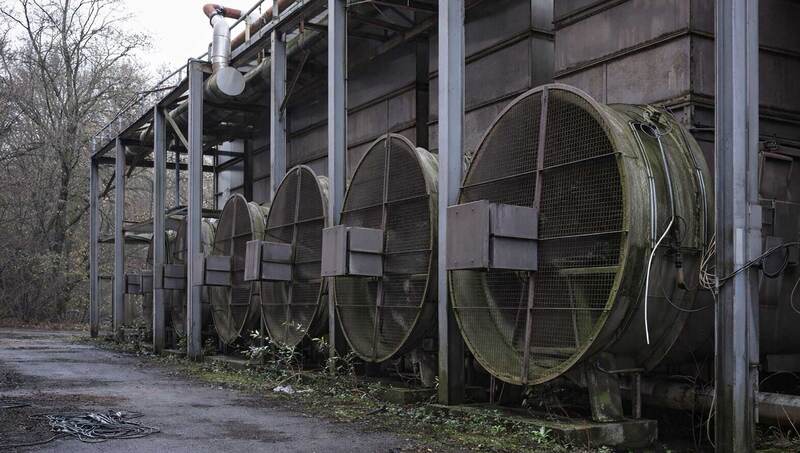
Engineered Extraction Breakthroughs
Modern odour control solutions go beyond dispersion and focus on targeted removal and measurable performance.
Advanced Filtration Media
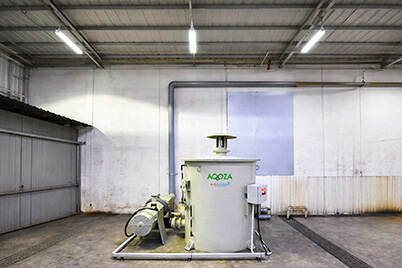
Impregnated activated carbons and catalytic media are engineered for high-efficiency adsorption and chemical conversion of targeted gases such as H₂S and VOCs. Unlike traditional ventilation, these systems actively capture and neutralise contaminants.
Integrated Treatment Architectures
Combining gas-phase filtration with bio-scrubbers enables effective management of complex, multi-pollutant streams particularly in wastewater and sludge processing environments.
Predictive Monitoring & Optimisation
Real-time gas sensors and performance analytics provide continuous data on concentration levels, pressure drop, and media life. This allows predictive maintenance cycles, stable compliance and documented proof of removal efficiency.
In wastewater facilities, engineered systems have demonstrated odour reduction efficiencies exceeding 99% without disrupting plant operations.
Tangible ROI Delivered
Effective odour extraction delivers measurable outcomes such as assured regulatory compliance, reduced corrosion-related asset degradation, operational expenditure reductions of 30–50% through optimised air exchange, right selection of odour control technology and lower downtime and sustainable operation without chemical overuse or excessive water demand.
Custom-engineered designs ensure alignment with site-specific airflow, contaminant load, and footprint constraints extending infrastructure life while maintaining environmental responsibility.
The Next Standard in Odour Control
The industry is shifting from reactive air movement to engineered contaminant removal. Facilities can no longer rely on ventilation alone. The expectation today is data-backed performance, predictable outcomes, and sustainable operation.
At AQOZA, we design odour extraction systems that address the chemistry, not just the airflow.
What is the toughest odour challenge your facility is facing? Let’s engineer the solution. Get in touch now.
ALSO READ
- 4 Reasons for Having Odour Control Systems in Wastewater Treatment Plants
- How to Choose the Right Odour Control Technology?