Key Approaches to Odour Control in Sewage Treatment Plants
Published : 11 Mar 2026
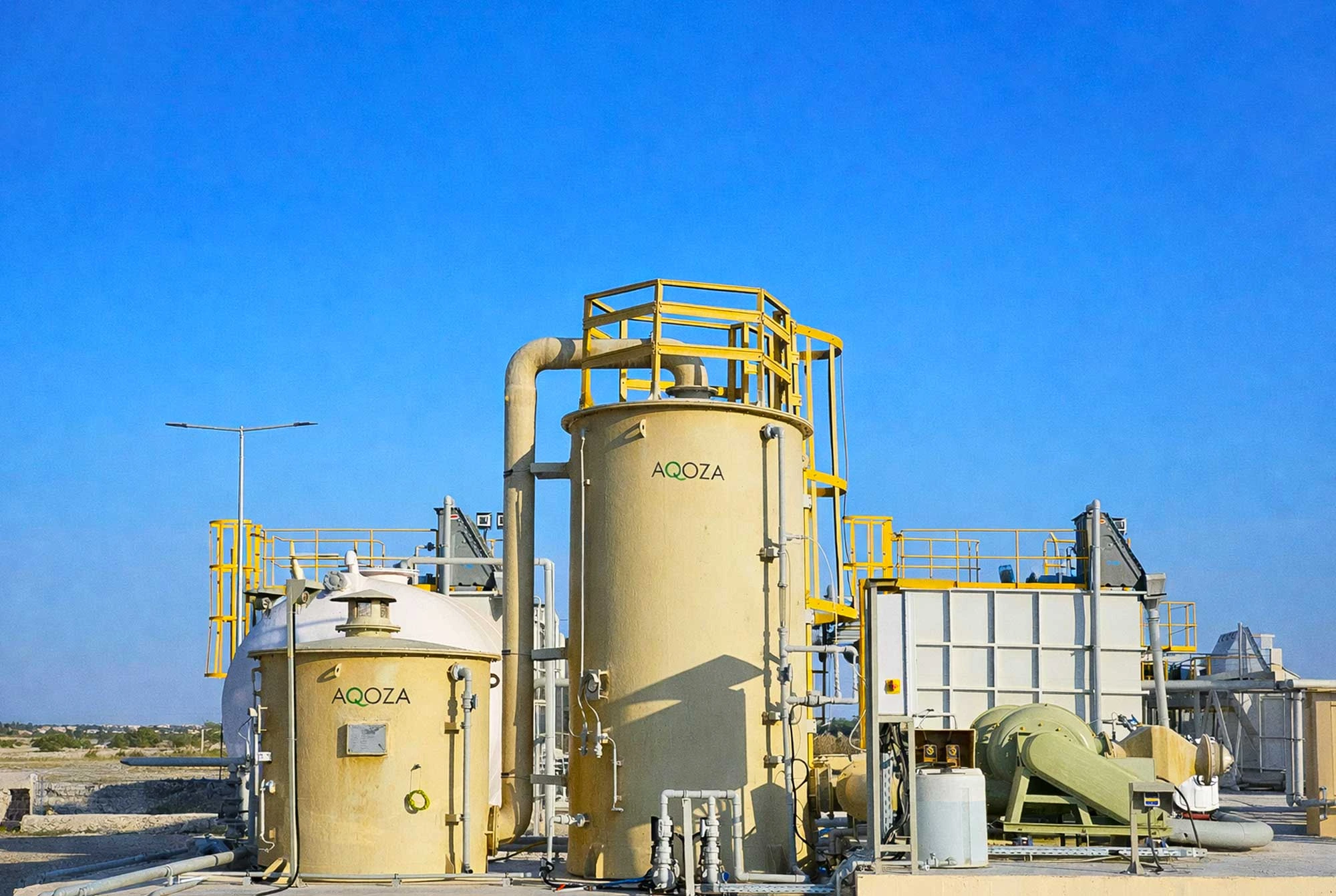
Odour management in sewage treatment plants is not a cosmetic intervention, but an engineering responsibility. Beyond community comfort, uncontrolled odours signal process inefficiencies, corrosion risks, and potential health concerns. A structured, system-driven approach ensures that odour control is preventive, measurable, and sustainable.
Understanding Odour Sources in Sewage Treatment
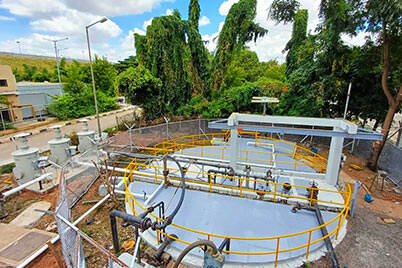
Effective control begins with identifying the source. In sewage treatment plants, odours primarily arise from the breakdown of organic matter under anaerobic conditions. Compounds such as hydrogen sulphide (H₂S), ammonia, mercaptans, and volatile organic compounds (VOCs) are typically generated at inlet works, screening areas, grit chambers, sludge thickening, dewatering units, anaerobic digesters and sludge storage zones.
Each of these areas presents distinct emission characteristics, varying in concentration, intermittency, and airflow patterns. Without accurate source mapping, odour control becomes reactive and inefficient. A process-level assessment is required for targeted solutions to avoid oversizing or misapplying treatment technologies.
Containment and Air Capture Techniques
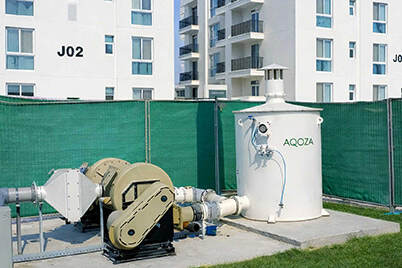
The first principle of odour control is containment. Before treatment technologies are introduced, odorous air must be effectively captured. Physical interventions such as enclosures over tanks and sludge handling areas, properly designed ducting networks and controlled ventilation systems with negative pressure can prevent the uncontrolled dispersion of odours into surrounding communities.
Containment design must balance airflow rates. Undersized extraction systems result in fugitive emissions, while oversized systems increase operational costs and dilute contaminant concentrations, reducing treatment efficiency. Precision in airflow engineering ensures that the treatment stage receives a consistent and manageable load.
Odour Treatment Technologies and Methods
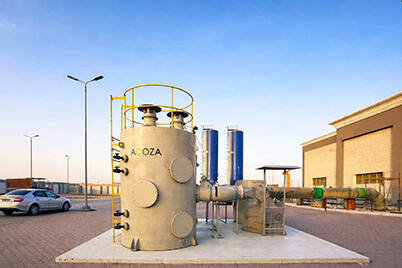
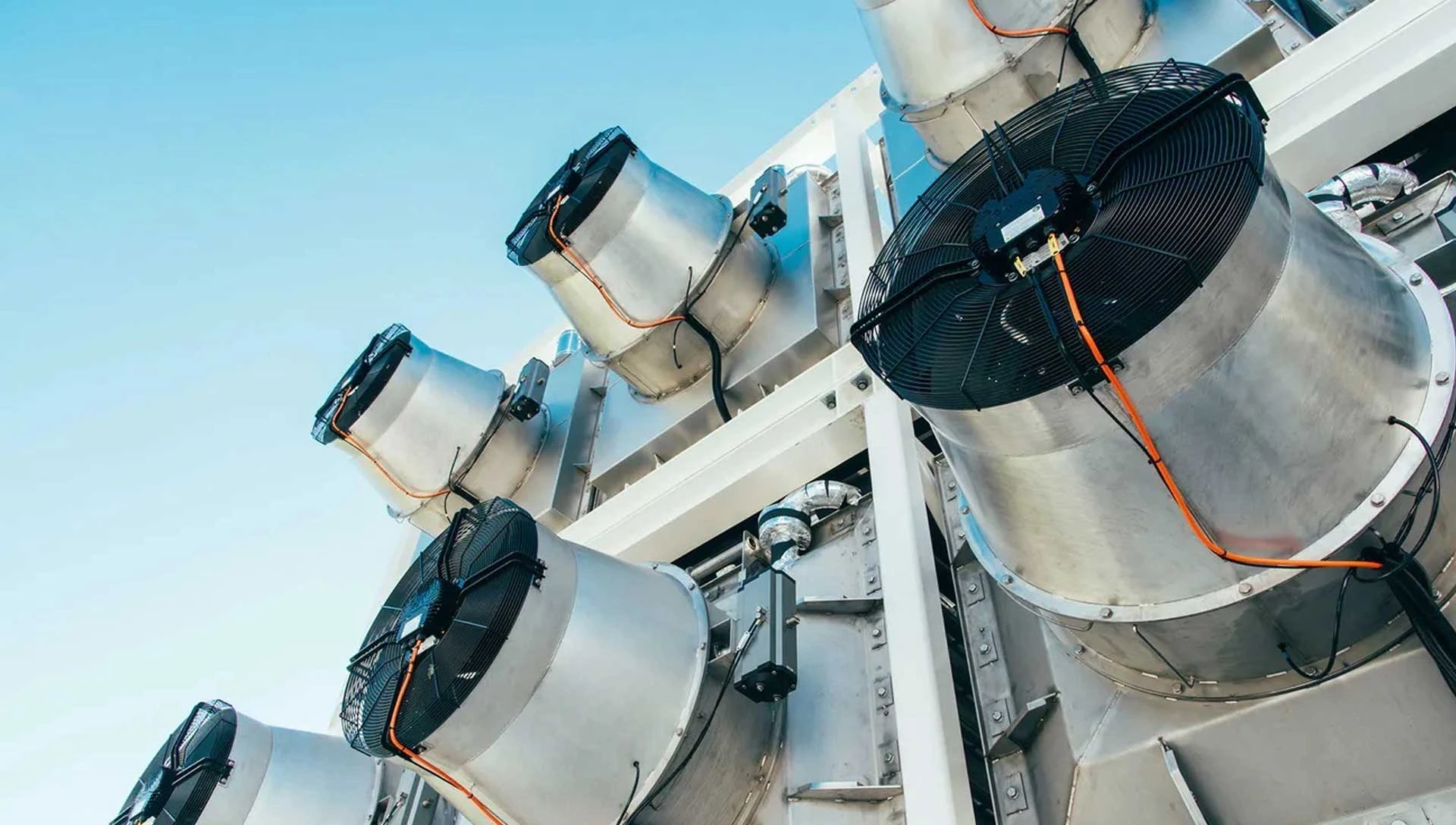
Once captured, odorous air must be treated using technologies matched to the plant’s scale and contaminant profile. The technology selection must consider airflow volume, contaminant concentration and variability, footprint constraints and lifecycle operational costs.
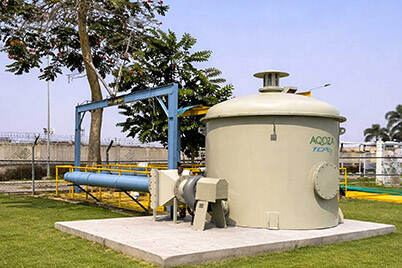
Bio Scrubbing/Trickling Systems
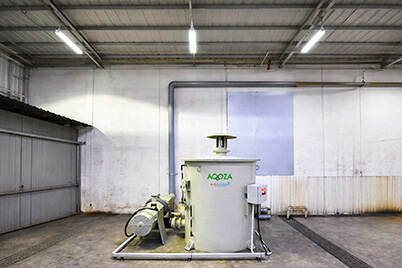
These systems are suitable for large airflow volumes with moderate contaminant concentrations. Bio Scrubber / Trickling rely on microbial activity to biologically oxidise odorous compounds. They are energy-efficient but require stable operating conditions and space allocation.
Activated Carbon Systems
Highly effective for polishing applications and variable contaminant concentrations. Carbon media adsorbs compounds such as H₂S and VOCs, offering compact installation and predictable performance when properly maintained.
Advanced Air Treatment Technologies
Hybrid systems combining bio scrubbing / trickling and adsorption filtration provides enhanced removal efficiencies for complex emission profiles. These are particularly relevant for plants facing strict regulatory norms or located near residential zones.
There is no universal solution, only engineered alignment between process demand and treatment capability.
Monitoring, Maintenance, and Long-Term Control
Odour control is not a one-time installation; it is an ongoing performance commitment. Continuous monitoring of parameters such as H₂S levels, airflow rates, and pressure differentials ensures early detection of deviations.
Routine inspection of enclosures, duct integrity, and filtration media prevents performance decline. Data-driven maintenance schedules reduce unplanned downtime and extend system lifespan. Thus, long-term success depends on real-time gas monitoring, scheduled maintenance planning, corrosion risk assessment and process optimisation based on operational data.
In sewage treatment plants, odour management reflects process discipline. When containment, treatment, and monitoring operate in alignment, facilities achieve more than regulatory compliance—they ensure environmental responsibility, community trust, and infrastructure longevity.
To engineer effective odour control for your sewage treatment plants, contact our experts.
ALSO READ
- Wastewater Odour Removal, Sewage Treatment Plant Odour Control
- How to Estimate the Odour Control Unit Capacity?