Odour Control: From Nuisance to Operational Priority
Published : 13 Mar 2026
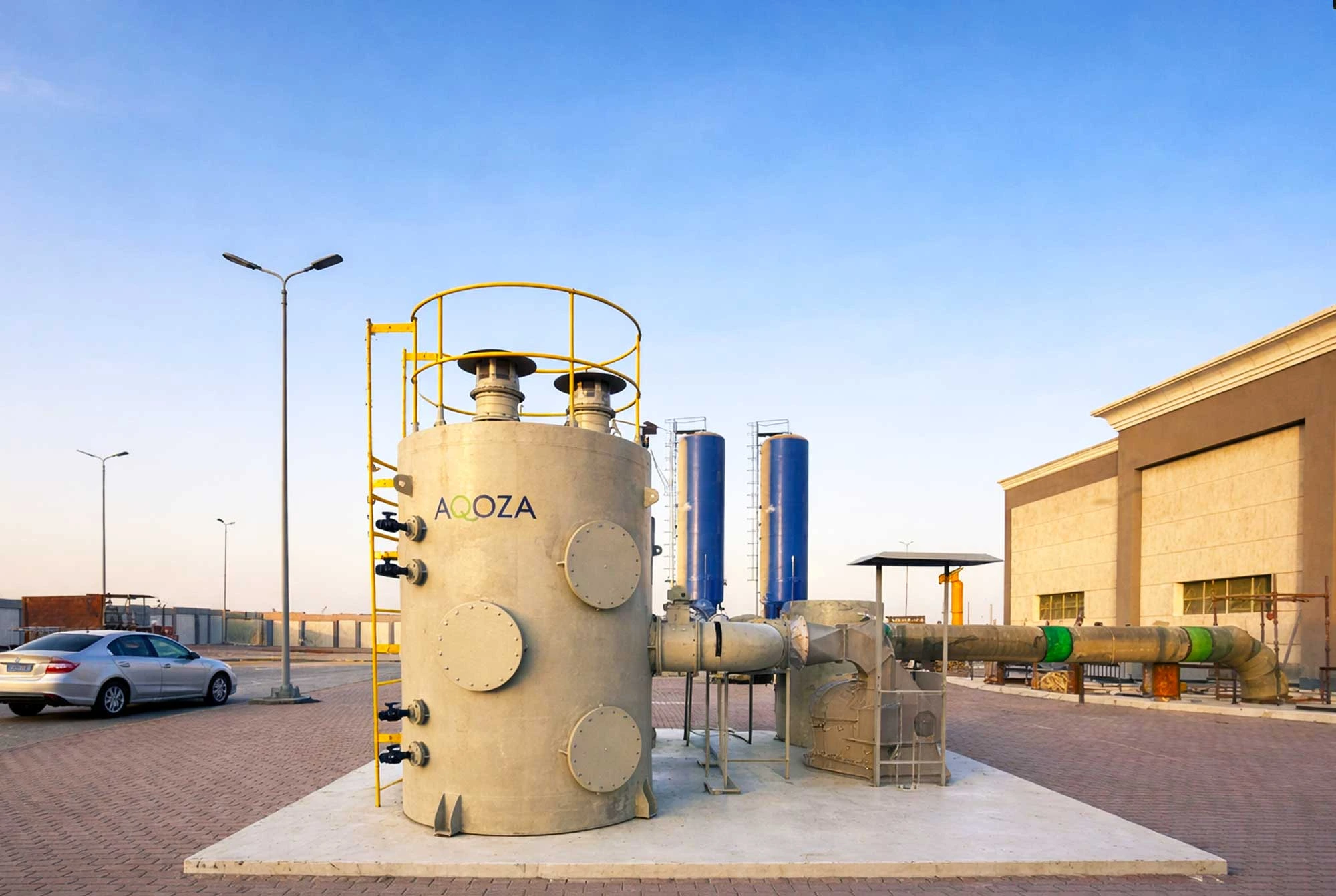
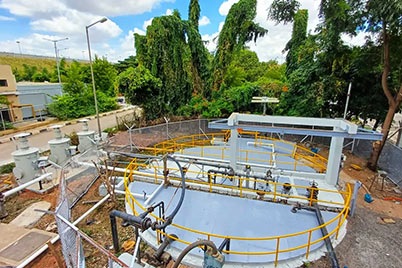
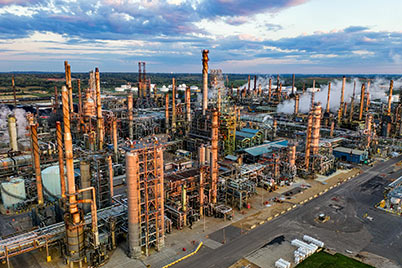
Odour was once seen as a minor inconvenience in industrial operations, especially in areas like sewage and wastewater treatment. These smells were often accepted as unavoidable and fixed only temporarily. In many facilities, including sewage treatment plants, odour control was handled only after complaints became serious. Today, as industries operate closer to residential areas and face stricter regulations, odour control systems are no longer optional. Odour control in wastewater treatment has become an operational priority that cannot be ignored.
The Hidden Operational Costs of Poor Odour Control
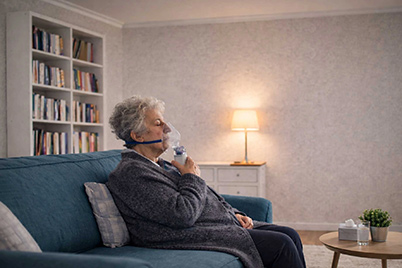
Poor odour control directly affects people working inside facilities such as wastewater treatment plants and pumping stations. Persistent smells in enclosed or high-exposure areas reduce comfort, increase fatigue, and lower morale. Over time, this can impact safety, productivity, and employee retention.
Beyond the facility boundary, unmanaged odour from sewage treatment plants lead to community complaints, inspections, and unplanned interventions. Each complaint consumes time and resources that could be used elsewhere. Reputational damage also makes approvals, permits, and future expansions more difficult. Without proper wastewater odour control equipment or an effective odour control unit, what starts as a smell quickly turns into a business risk.
What’s Changed: Why Odour Now Demands Operational Focus
Several factors have increased the need for reliable odour control systems. Regulations are stricter, public tolerance is lower, and expectations around environmental responsibility are higher. ESG requirements now push organisations to clearly demonstrate how they manage odour control in wastewater treatment plants.
At the same time, treatment processes are becoming more complex. Reactive fixes are no longer enough. Facilities now need proven odour control systems for sewage treatment plants, supported by data and performance tracking. This is why many operators look for the best odour control system manufacturers and odour control system suppliers in India who can deliver reliable, measurable solutions.
Embedding Odour Control into Daily Operations
Effective odour control requires a shift from reacting to complaints to proactive management. By using continuous monitoring and proper wastewater odour control equipment, facilities can detect issues early. This includes identifying process imbalances, leaks, or treatment inefficiencies before they cause odour problems.
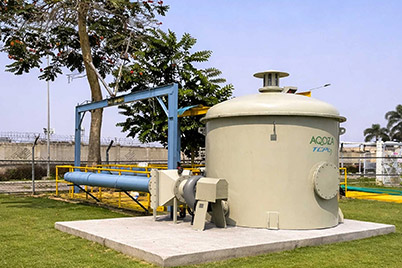
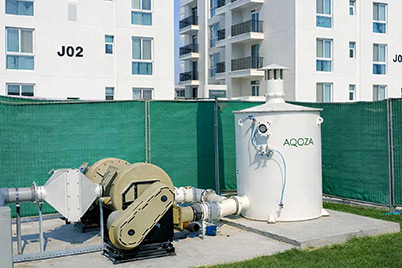
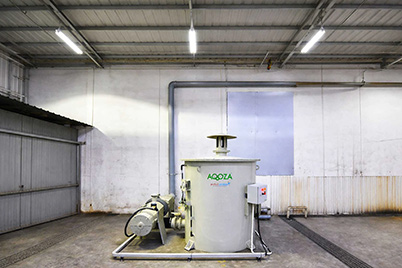
When odour levels are monitored, odour control becomes part of daily operations. Teams working with activated carbon odour control units or biological odour control systems can clearly see how their actions affect performance. This visibility improves coordination across operations, maintenance, and management, making odour control a shared responsibility.
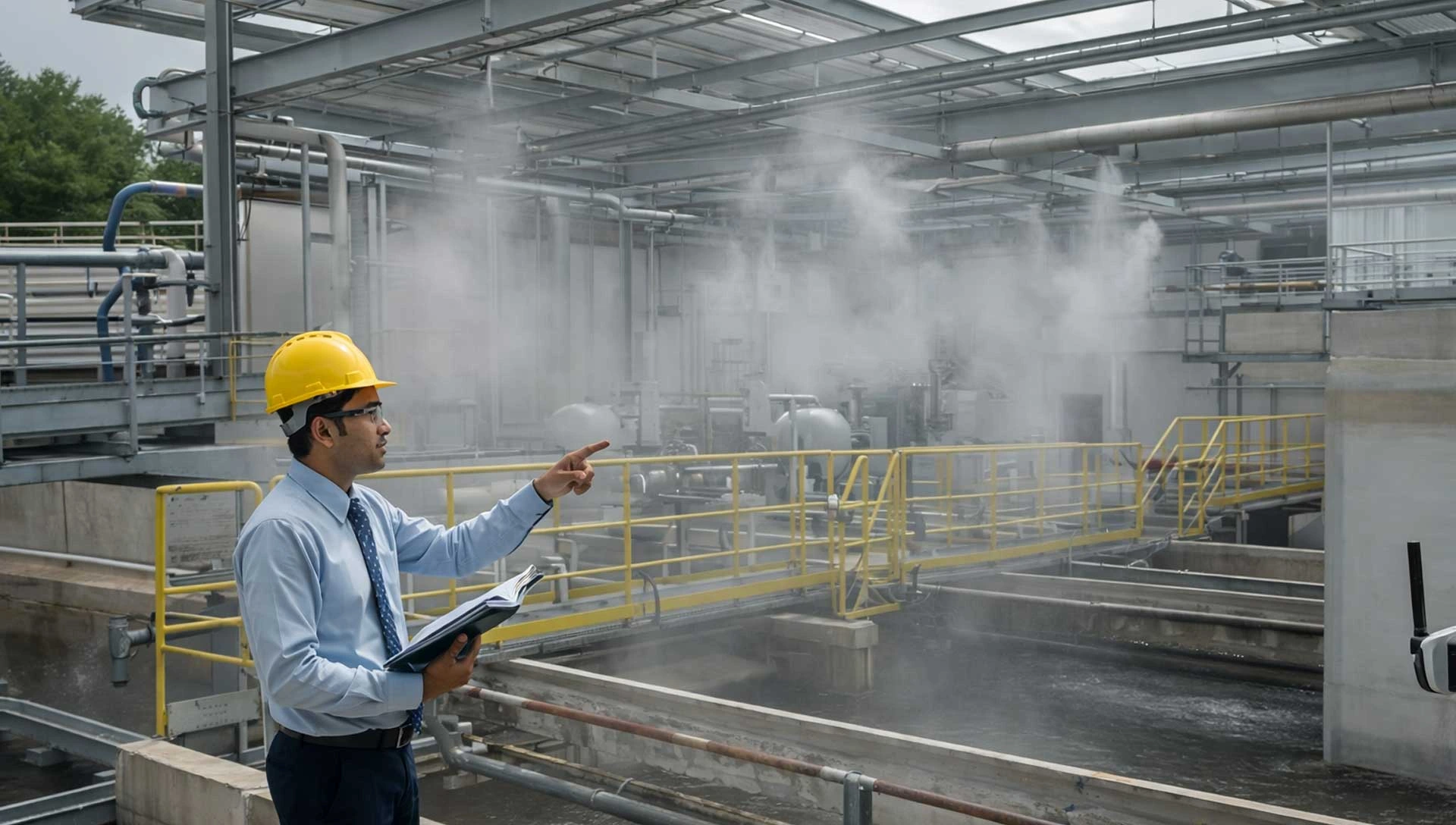
Making Odour Control a Core Operational Discipline
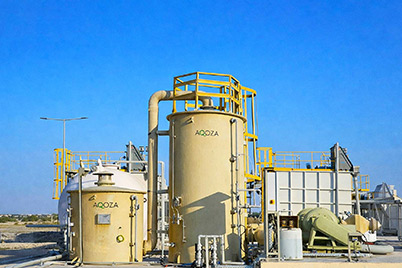
Treating odour control as a core discipline supports long-term operational efficiency. Reliable odour control units reduce disruptions, prevent emergency responses, and improve overall system stability. Whether using activated carbon odour control, biological odour control systems, or other wastewater odour control equipment, a structured approach strengthens resilience and compliance.
Organisations that invest in high-quality odour control systems from trusted odour control unit manufacturers in India build stronger relationships with employees, regulators, and communities. In today’s environment, effective odour control is not just about comfort—it is a competitive advantage and a key part of sustainable wastewater treatment plant operations.
If you are facing consistent odour issues in your facility, contact our experts to explore the right solution.
ALSO READ