Wastewater Plants: Odour Control as a Reputation Shield
Published : 24 Mar 2026
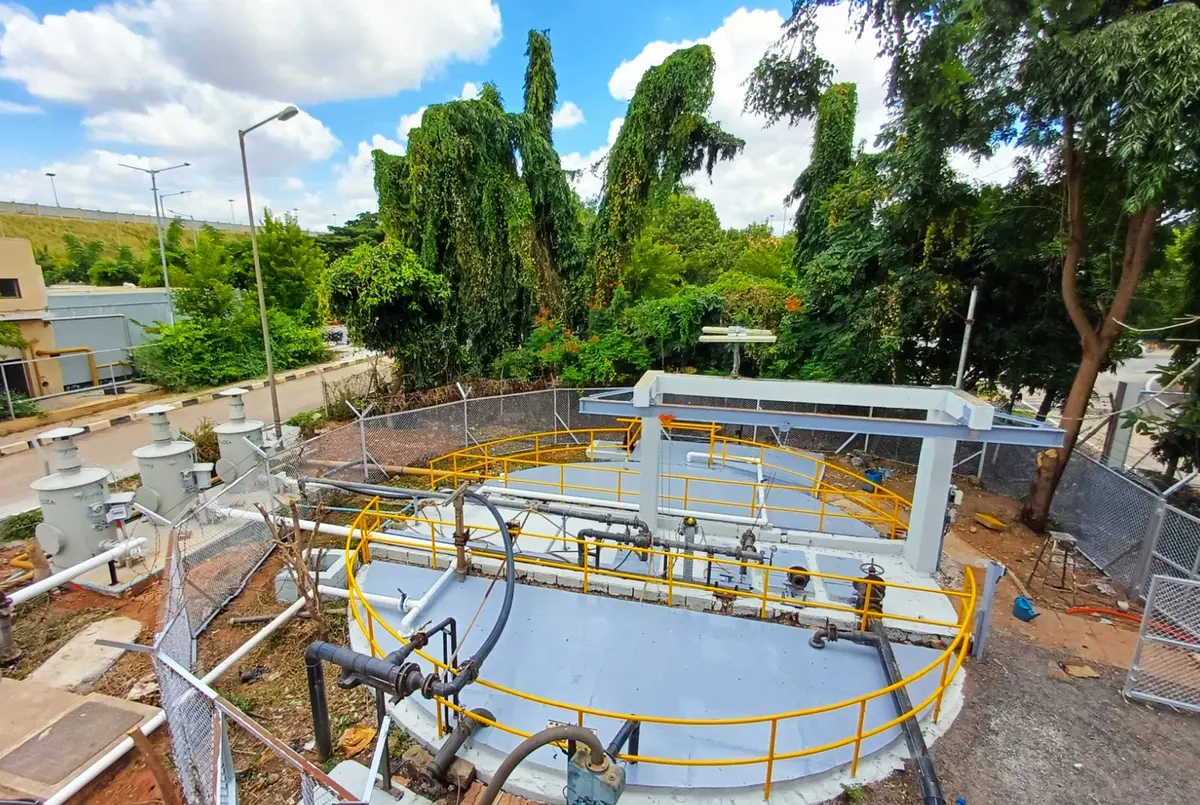
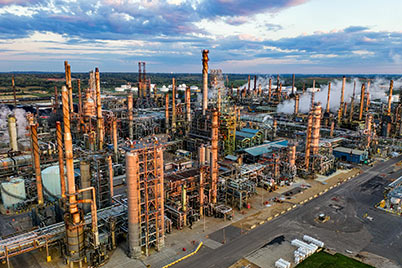
Wastewater treatment facilities operate at the intersection of public health, environmental responsibility, and community trust. While treatment performance metrics are measured internally, odour is experienced externally. And when odours escape, reputation follows.
The Hidden Cost of Odour in Wastewater Operations
Odour is often treated as an operational inconvenience. In reality, it is a reputational variable.
Persistent emissions, particularly hydrogen sulphide (H₂S), ammonia, and volatile organic compounds (VOCs)—shape how communities perceive a facility. Even when treatment efficiency meets discharge norms, uncontrolled odours signal neglect to nearby residents and stakeholders.
The consequences extend beyond discomfort:
- Increased regulatory inspections
- Escalated complaint records
- Media attention and public scrutiny
- Pressure from local governing bodies
In wastewater operations, perception influences permission. Odour control therefore becomes a strategic safeguard, not a peripheral expense.
Why Odour Complaints Escalate Beyond the Plant Boundary
Odorous gases do not respect physical boundaries. Without effective containment and treatment, emissions migrate beyond plant perimeters—especially under fluctuating wind and temperature conditions.
What begins as a minor internal process imbalance can quickly translate into:
- Residential complaints
- Business disruptions in surrounding areas
- Social media amplification
- Intervention from environmental authorities
Once complaints are documented, response timelines shrink and scrutiny intensifies. Facilities may then find themselves investing under pressure rather than by design.
Poorly managed odour is rarely contained within infrastructure. It travels physically and reputationally.
Odour Control as a Preventive Strategy, Not a Fix
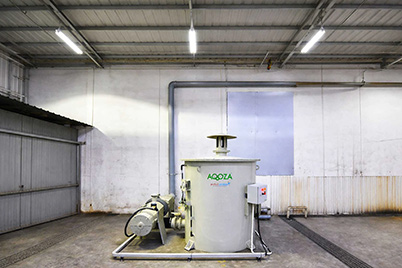
Reactive responses like temporary chemical dosing, increased ventilation, or short-term masking offer limited relief. Sustainable odour management requires engineered systems designed around contaminant profiling, airflow modelling, and performance monitoring.
Preventive odour control includes:
- Source containment and air capture
- Targeted gas-phase filtration or bio-treatment
- Continuous monitoring of H₂S and VOC levels
- Data-driven maintenance cycles
By addressing emissions at their origin, facilities reduce escalation risk and maintain compliance stability. Prevention protects not only infrastructure but institutional credibility.
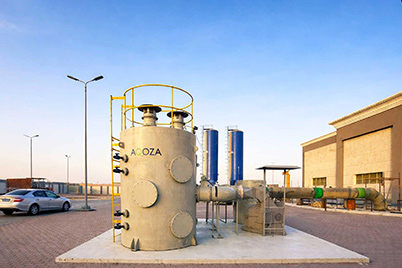
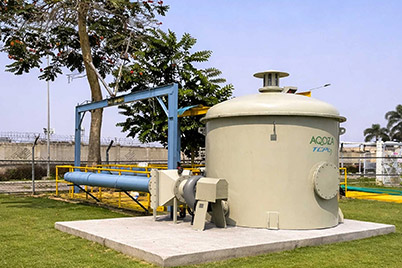
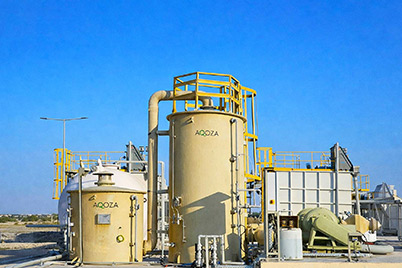
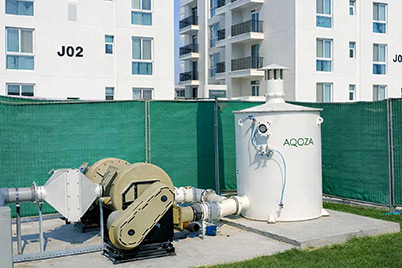
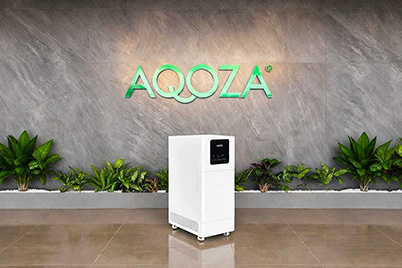
At Aqoza, odour control is engineered as a long-term reliability framework aligned with regulatory demands and community expectations.
Building Community Confidence Through Effective Odour Management
Consistent odour control sends a visible message: the facility operates responsibly, when emissions are contained and treated effectively. Which means:
- Complaint volumes decrease
- Community relations stabilise
- Regulatory engagement becomes collaborative rather than corrective
- Operational continuity strengthens
Environmental stewardship is not defined solely by treated effluent quality. It is equally reflected in the air that surrounds the facility.
Wastewater plants that prioritise odour management protect more than compliance - they protect trust. And in public infrastructure, trust is the most valuable asset of all.
Reach out to our experts to know about reliable odour control solutions.
ALSO READ
- How to Remove Smell From Sewage Treatment Plant
- What are the different type of Odour Control Technologies available?