Ammonia Gas removal in Fertilizer Industry Control Room Ventilation
Published : 28 Apr 2023
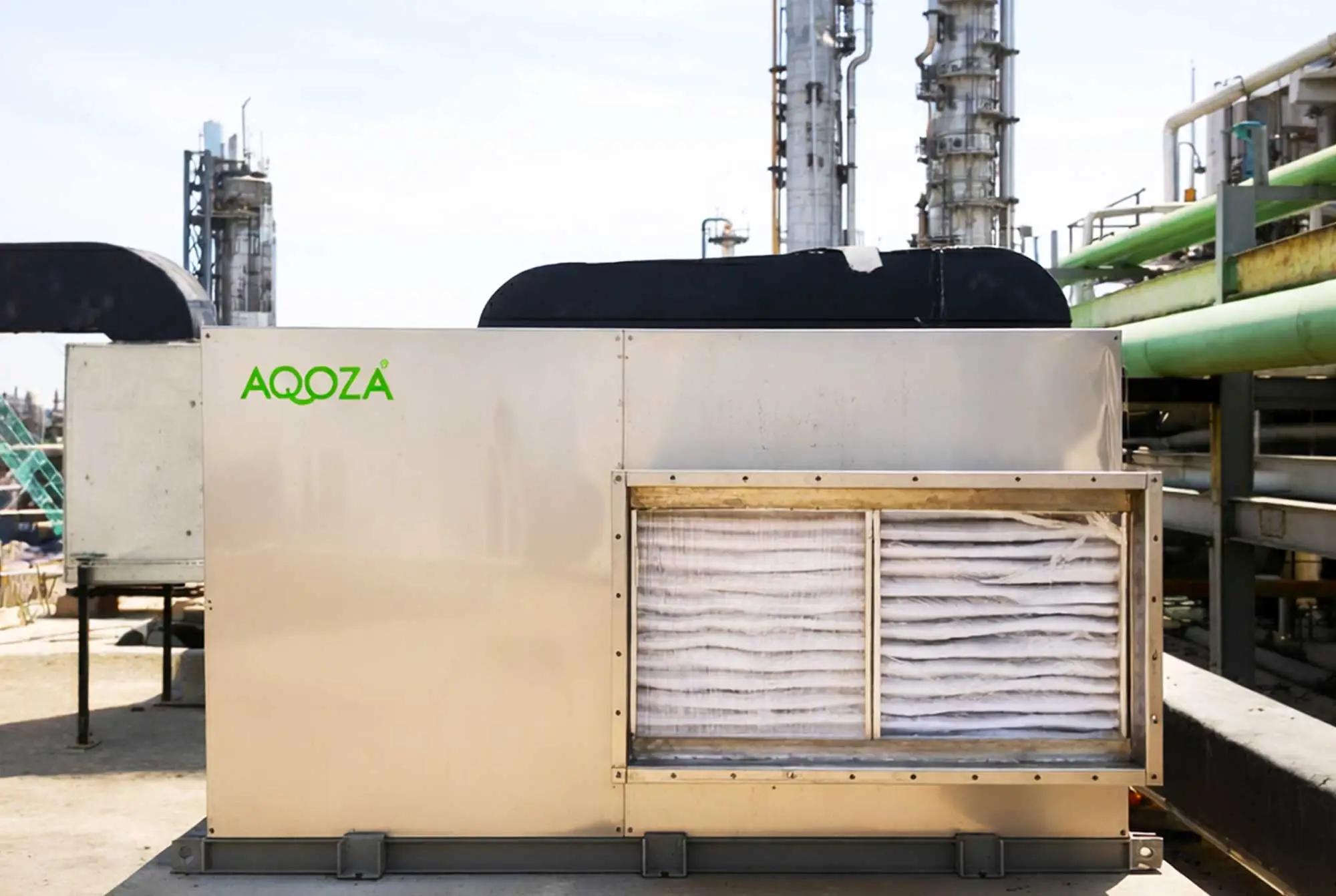
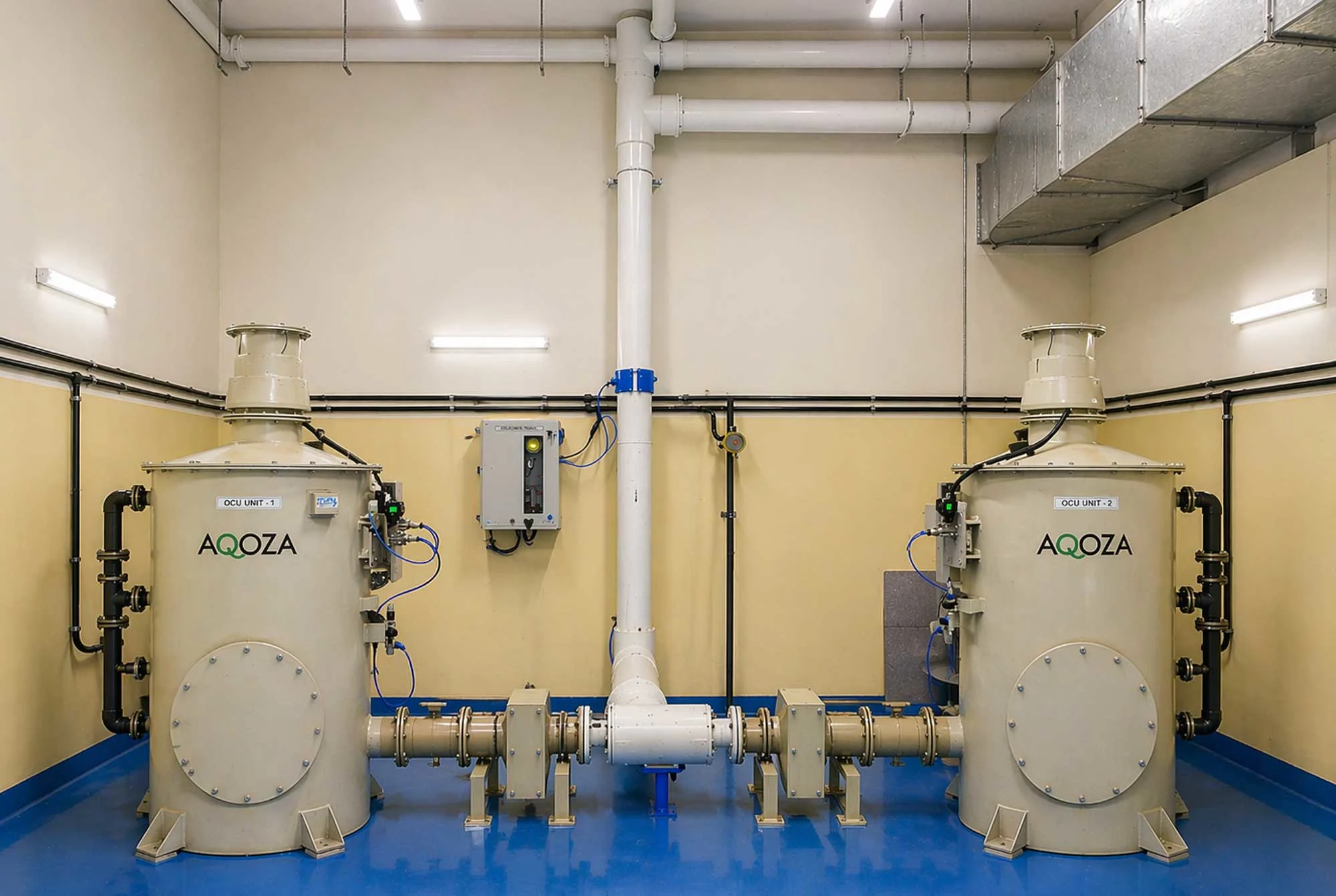
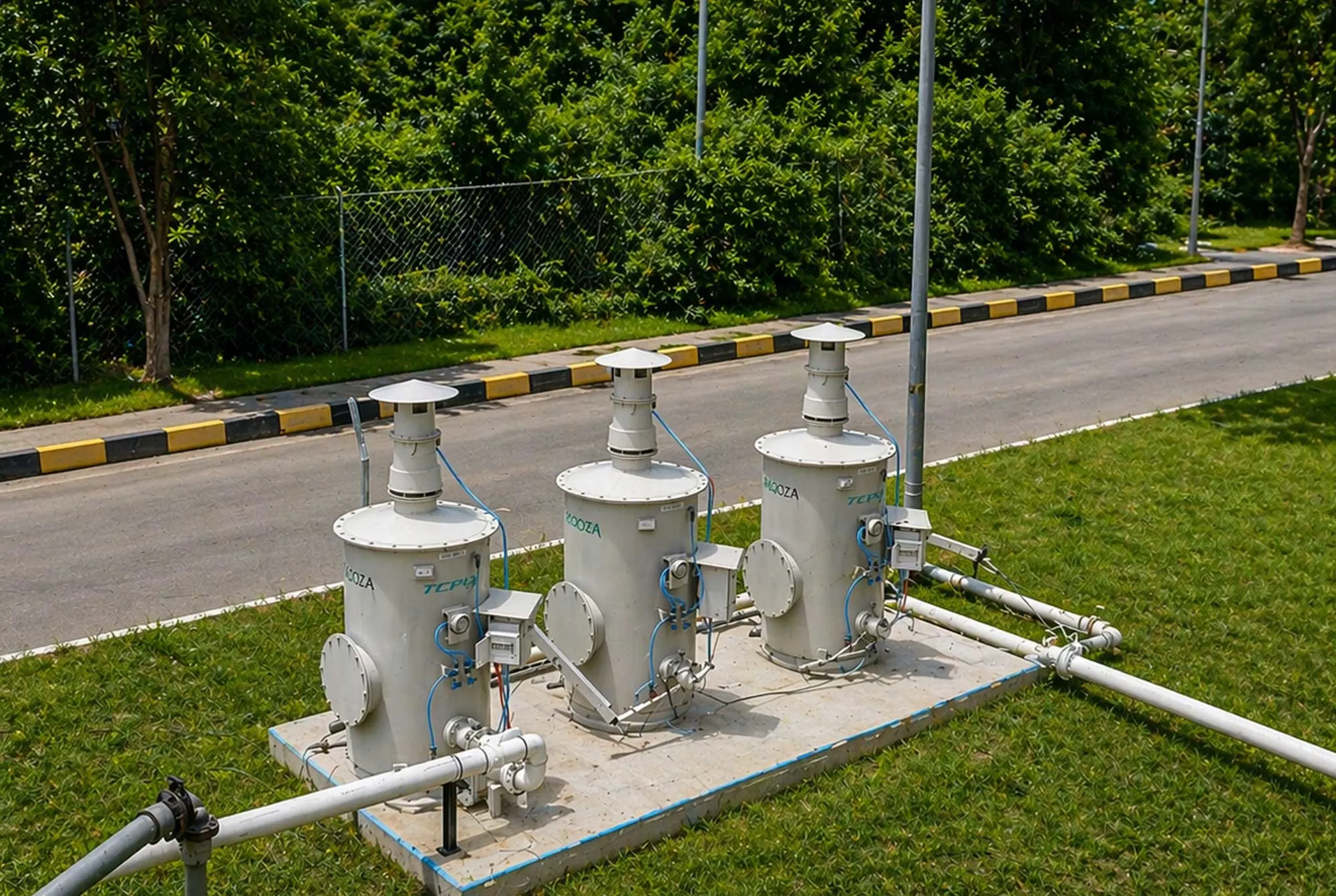
A fertilizer manufacturing facility recently installed an ammonia dry scrubber, on the control room fresh air intake to address concerns to remove ammonia gas from the fresh air intake and prevent catastrophic failure in the event of a gas leak or explosion.
Problem
The control room of the fertilizer manufacturing facility is a critical area where the plant's critical operations are monitored and controlled. However, there were concerns about the air quality in the control room due to the presence of ammonia traces in the fresh air intake. Additionally, there was a need for the control room to remain safe for at least one hour in the event of a gas leak or explosion, to allow the control team to shut down the system safely and avoid catastrophic failure of the facility.
Solution
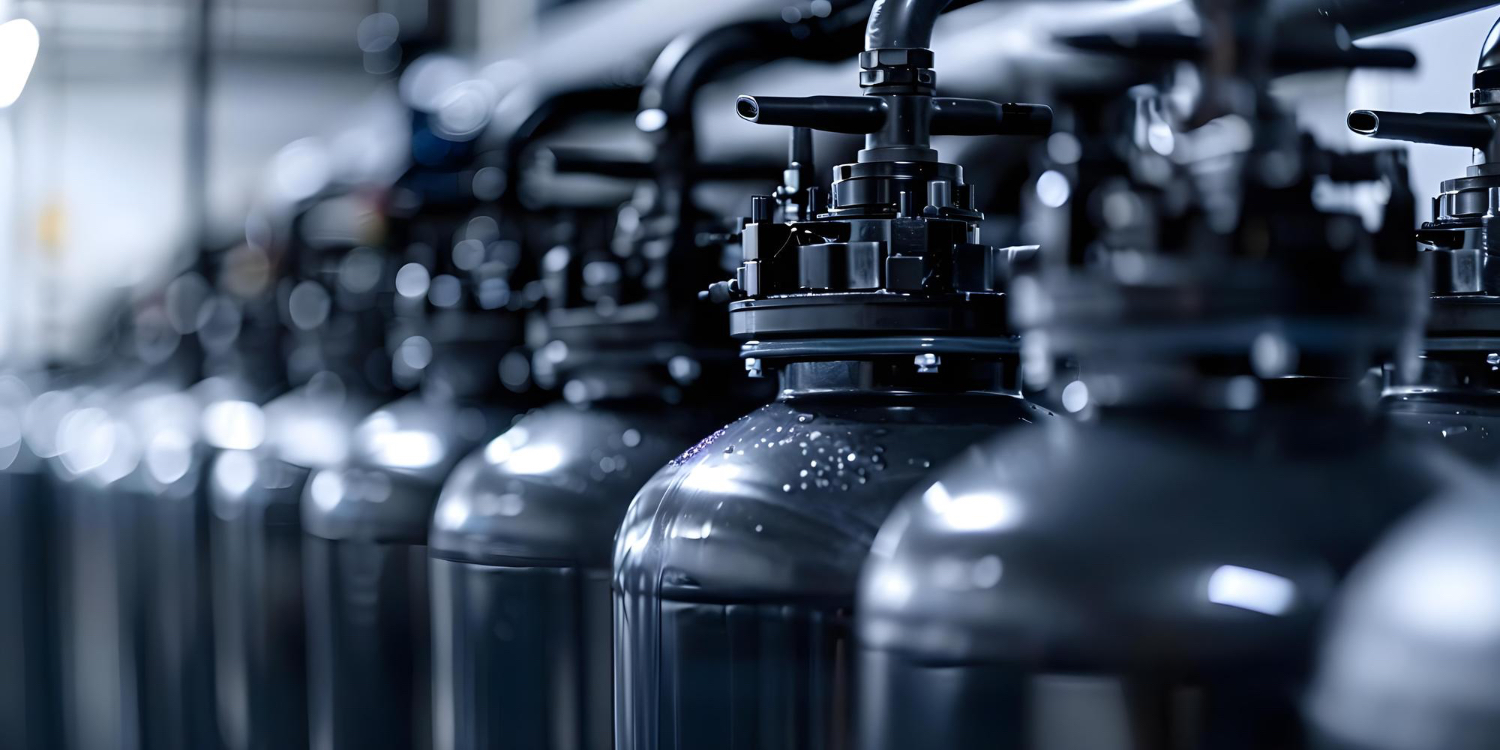
To address these concerns, the facility installed an ammonia dry scrubber with activated filtration media specifically made for ammonia gas adsorption, on the control room fresh air intake. The dry scrubber is a passive system that uses activated carbon to adsorb ammonia and other odorous compounds, as well as toxic gases, from the air. The activated carbon is contained in a fixed-bed filter, and the air is passed through the filter, where the ammonia and other toxic gases are adsorbed onto the carbon surface. Filtration media are being tested against an ammonia concentration of 5,000ppm with a removal efficiency of 99.8% as per ABEK Class-II standard.
Results
After installing the ammonia dry scrubber, the control room air quality improved significantly, with no detectable ammonia or other toxic gas traces in the fresh air intake. The facility also met its safety requirement of keeping the control room safe for at least one hour in the event of a gas leak or explosion. In the event of a gas leak or explosion, the dry scrubber, or ammonia scrubber, would allow the control team to safely shut down the system and avoid catastrophic failure of the facility.
Conclusion
The installation of the ammonia dry scrubber, on the control room fresh air intake provided the facility with improved air quality, toxic gas removal, and ensured worker safety by preventing catastrophic failure in the event of a gas leak or explosion. The passive nature of the dry scrubber system and the use of activated carbon make it an effective and efficient solution for removing ammonia, other odorous compounds, and toxic gases from the air. The facility can now continue to operate with confidence, knowing that it has taken steps to address the concerns around air quality, toxic gas removal, and worker safety in the control room.
For more details about Toxic Gas Removal System, you may please reach our experts at AQOZA, our team will do the detailed analysis of your specific requirements and offer you the optimized solutions in toxic gas removal.