What Do Sewage Treatment Plants Really Need from an Odour Control Partner?
Published : 12 Nov 2026
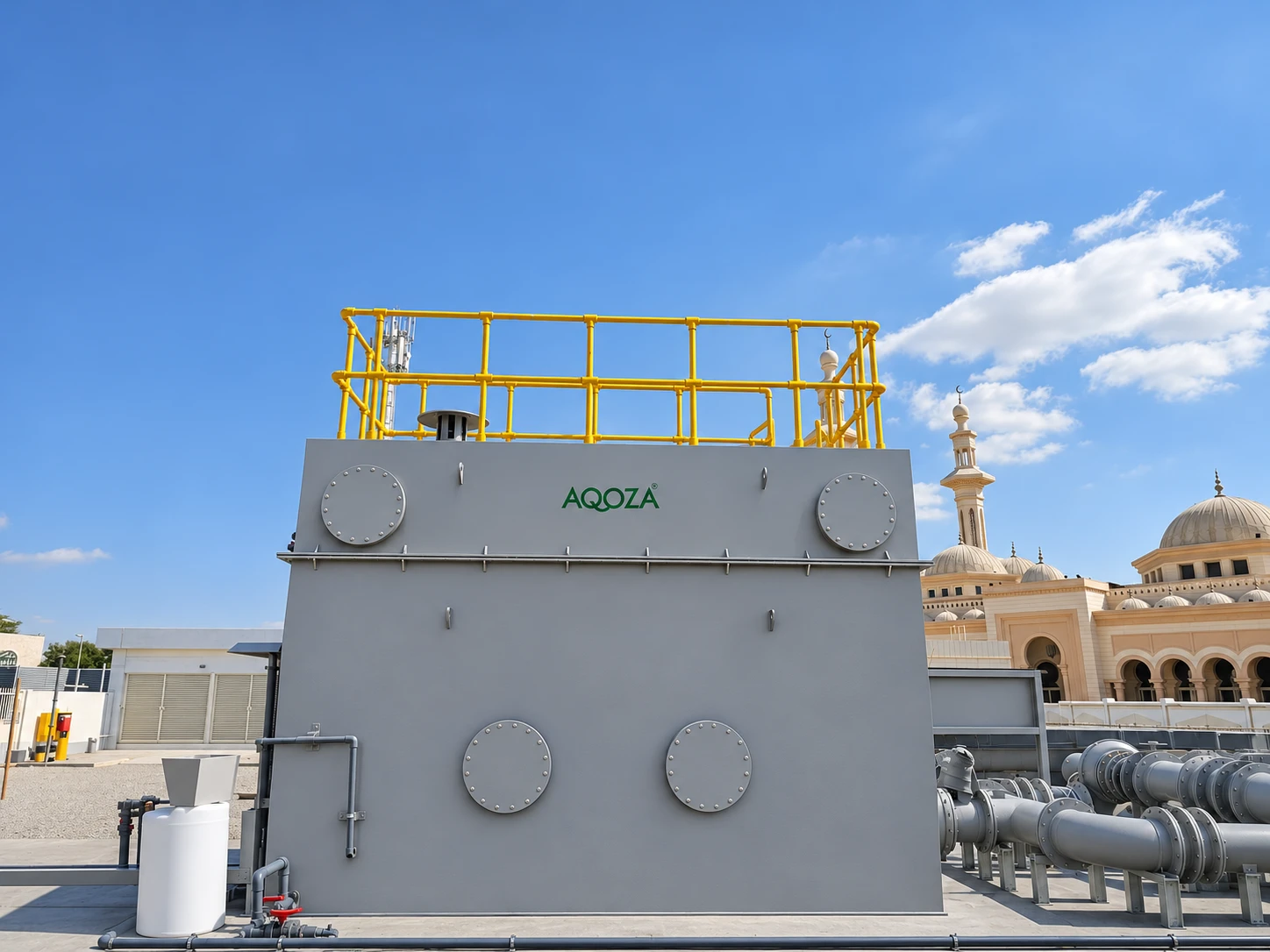
For a sewage treatment plant, odour complaints can become a recurring operational challenge. Nearby residents expect a comfortable living environment, while facility teams need a solution they can operate and maintain reliably. Selecting an odour control partner therefore requires careful consideration of how the proposed system will perform under actual plant conditions.
The right partner should understand the sources of odour, design an appropriate treatment system, and help the operating team sustain its performance.
Understanding the Plant Before Recommending a Solution
Every sewage treatment plant has different operating conditions. Inlet works, collection tanks, and sludge handling areas can contribute differently to odour generation. The gases present and their concentrations also vary with sewage characteristics and treatment conditions.
A reliable partner should begin by assessing these sources, reviewing existing ventilation, and understanding when odour problems occur. This helps establish which areas require containment and treatment, and whether process-related issues also need attention. AQOZA’s guidance on sewage treatment odour control similarly places source identification before technology selection.
Designing Capture and Treatment Together
An odour control unit can only treat the air that reaches it. Gaps in tank covers, poorly positioned extraction points, or unsuitable duct arrangements can allow odorous air to escape before treatment.
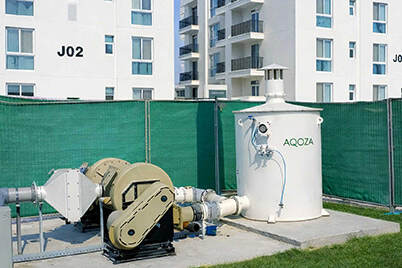
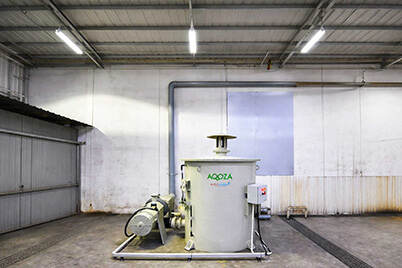
Plants need a partner who considers covers, ducting, extraction fans, and treatment equipment as one system. Airflow requirements should be assessed using the spaces being extracted and the operating conditions of each source. The plant’s sewage treatment capacity alone does not establish the required odour extraction capacity.
For existing facilities, the design should also account for available space, maintenance access, and installation around ongoing operations.
Selecting Technology for Actual Operating Conditions
Activated carbon filtration, chemical scrubbing, and biological treatment each have a role in sewage treatment odour control. The appropriate choice depends on the contaminants, gas concentrations, airflow, and operating requirements. Some applications benefit from combining treatment stages.
A capable partner should explain why a particular technology suits the facility and what conditions it needs to perform effectively. This includes discussing changes in odour loading, consumable requirements, and maintenance responsibilities. Changes in gas concentration or inadequate maintenance can affect treatment performance, making these discussions essential before installation.
Defining How Performance Will Be Verified
Plants should ask for clear performance criteria before placing an order. The proposal should identify the gases being treated, expected inlet conditions, required outlet performance, and the method of verification.
Removal efficiency should be considered alongside the outlet concentration and the requirements of the particular site. An outlet target should have a stated design basis rather than being presented as a universal value for every STP.
Agreeing on commissioning checks and follow-up monitoring gives both the plant and its partner a clear basis for reviewing results and addressing changes.
Making Long-Term Operation Manageable
Purchase price is only one part of the investment. Electricity, filtration media, chemicals, water, servicing, and replacement requirements can influence the overall cost, depending on the technology selected. Comparing capital and operating costs helps facilities make a more informed decision.
The partner should provide realistic cost estimates with their assumptions clearly stated. Operators should also receive practical training, maintenance instructions, and guidance on recognising declining performance.
Before selection, facilities should establish who will provide technical support, how replacement consumables will be supplied, and how performance concerns will be investigated after commissioning.
Choosing a Partner for Continued Reliability
Sewage treatment plants need technical expertise, measurable expectations, and dependable support throughout the operating life of their odour control system. These should be central to the selection process.
At AQOZA, we help facilities assess their odour control requirements and identify solutions suited to their application. Contact our experts to discuss the odour challenges at your sewage treatment plant.
Planning or fixing odour control at your STP? Share your plant capacity, odour sources, tank volumes, any H₂S readings and your outlet target. An AQOZA engineer will review them and recommend a site-specific odour control configuration.
Discuss Your STP Odour Challenge
Odour control equipment is bought once. Odour control performance has to be delivered every day.
ALSO READ